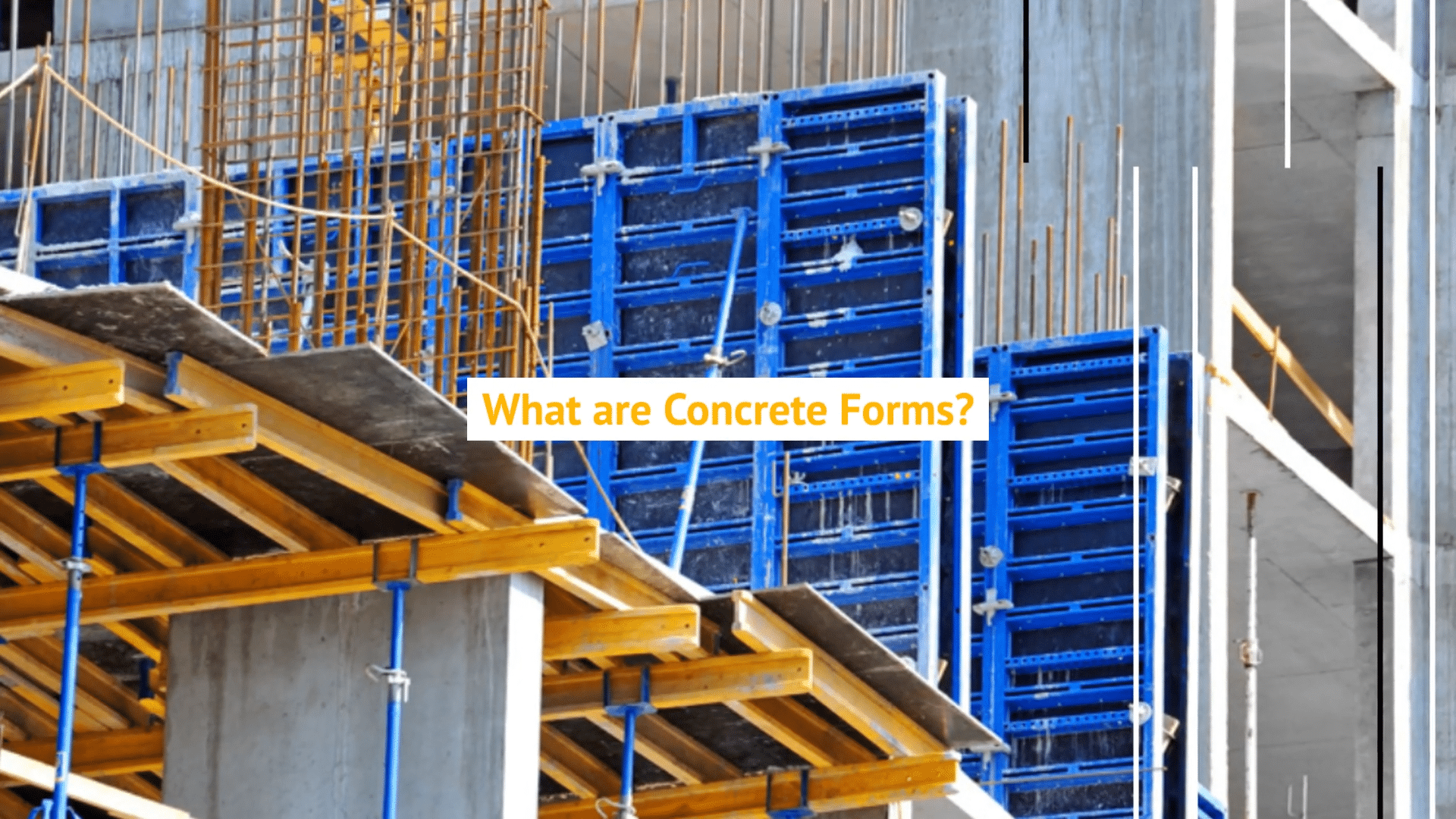
Concrete forming operations require materials that withstand pressures, resist moisture penetration, and maintain structural integrity. Formwork plywood sheets deliver dimensional stability, surface finish quality, and reuse potential. The advantages of plywood formwork include lighter weight, faster installation, and consistent performance across multiple pours.
Thomes North America supplies phenolic-coated Baltic Birch plywood for concrete forming applications. We source material from Finland and Latvia mills and maintain inventory for immediate shipment to concrete form manufacturers and wholesale centers across North America.
Learn more about plywood for concrete forming, its operational advantages, and specifying for your project requirements.
Characteristics of Plywood in Concrete Forming
Our formwork plywood sheets used in concrete forming differ from standard construction-grade panels, providing specific manufacturing characteristics like:
- Phenolic film coating. A phenolic resin-impregnated film bonds to both panel faces, preventing moisture absorption from wet concrete and releasing cleanly after curing. This produces smooth concrete finishes without additional surface treatment.
- Cross-grain construction. Alternating veneer layers run perpendicular to adjacent plies, which distributes concrete pressure loads across the panel and maintains dimensional stability under pressure.
- Exterior-grade adhesives. Phenol-formaldehyde adhesives bond the veneer layers and resist delamination through repeated wet-dry cycles from multiple pours and cleaning operations.
Advantages of Plywood in Formwork
Plywood from Thomes Ltd. for formwork delivers improvements in installation efficiency, project costs, and concrete finish quality:
- Extended reuse cycles. Coated Baltic Birch withstands multiple pours under proper handling protocols, which reduces material costs per pour and minimizes jobsite waste disposal.
- Architectural surface finishes. The phenolic film surface produces concrete finishes that meet architectural specifications without grinding, patching, or additional surface preparation.
- Weather stability. Formwork plywood sheets with phenolic coating can resist warping under sun exposure or temperature fluctuations and maintain dimensional stability outdoors.
- Simple cleaning process. The non-stick surface allows concrete residue removal with plastic scrapers and water, which extends panel life.
The benefits of our plywood for formwork make it an attractive choice for contractors seeking reliable forming solutions.
Specifications and Maintenance Tips
Wood concrete forms must meet several requirements:
- Strength to withstand heavy loads. Forms should not shift during concrete placement.
- Stick-free surface. The surface must release cleanly after curing.
- Durability for repeated use. Forms should withstand multiple pours.
- Weather resistance. Materials must resist warping under sun exposure or temperature fluctuations.
Phenolic-coated Baltic Birch plywood from Thomes meets these requirements and resists rot even in wet or humid climates. Formwork plywood sheets with phenolic coating allow concrete formwork experts to achieve defect-free removals from set concrete.
Thomes Ltd. North America: Concrete-Grade Baltic Birch Plywood
Wood concrete forms made from coated Baltic Birch plywood are an optimal solution for concrete formwork. At Thomes Ltd., we are a dependable supplier of Baltic Birch plywood for industrial or commercial use. As one of North America’s largest importers of Baltic Birch plywood, we offer competitive pricing for concrete form manufacturers and wholesale centers. We can also arrange direct mill shipments on high-volume orders. The advantages of using our plywood for formwork translate to faster construction cycles and consistent concrete finishes.
For more information on using phenolic-coated Baltic Birch plywood in concrete forms, contact us and speak with an experienced team member.